
Pink Salt Price in Pakistan – A Complete Market Breakdown of Trends, Value, and Consumer Insights
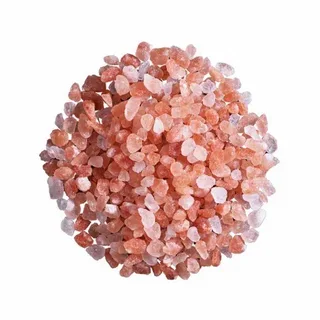
Understanding the Real Picture Behind Pink Salt Price in Pakistan
Pink salt price in Pakistan has become a widely discussed topic due to the country’s global reputation as one of the largest producers of Himalayan pink salt. Despite being naturally abundant in regions like the Khewra Salt Mine, the final market price varies significantly depending on several economic and commercial factors. Consumers often notice that prices differ from shop to shop, and even between cities, which makes it important to understand what actually drives these changes in cost.
Natural Origin and Its Effect on Market Value
The journey of pink salt begins deep within ancient rock formations where it is extracted through mining. This natural origin plays a key role in shaping its market value. While raw pink salt is inexpensive at the source, its transformation into a consumable or decorative product adds layers of cost. Transportation, cleaning, sorting, and packaging all contribute to the final pink salt price in Pakistan, making it more than just a simple mineral commodity.
Supply Chain Structure and Price Formation
The supply chain of pink salt in Pakistan is long and multi-layered. After extraction from mines, the salt is transported to processing units where it is refined and prepared for various uses. From there, it moves to wholesalers, distributors, and finally retailers. Each stage adds operational costs, which are reflected in the final retail price. Inefficiencies or increased fuel costs within this supply chain can also lead to noticeable fluctuations in market pricing.
Quality Classification and Pricing Differences
One of the most important elements influencing pink salt price in Pakistan is its quality classification. Not all pink salt is identical; it is categorized based on purity, crystal size, and color consistency. High-grade salt, which has a rich pink color and fewer impurities, is priced higher in the market. Lower-grade varieties, often used in bulk or industrial applications, are more affordable. This grading system allows the market to cater to different types of buyers, from budget consumers to premium buyers.
Processing and Refinement Costs
Raw pink salt undergoes multiple stages of processing before it reaches consumers. These stages may include washing, grinding, iodization, and sterilization. Each step adds value but also increases production costs. The more refined and processed the product, the higher its final selling price. As a result, finely ground table salt is more expensive than raw rock salt chunks. This difference is a key reason why pink salt price in Pakistan varies so widely.
Packaging, Branding, and Consumer Trust
Packaging plays a major role in determining the retail price of pink salt. Loose salt sold in bulk markets is significantly cheaper compared to branded and sealed packaging found in supermarkets. Companies invest heavily in branding, packaging design, and quality assurance to build consumer trust. These added expenses are passed on to the customer, making branded pink salt more expensive but also more reliable in terms of hygiene and quality standards.
Regional Price Variations Across Pakistan
There is a noticeable difference in pink salt pricing depending on location. Areas closer to mining regions generally enjoy lower prices due to reduced transportation and handling costs. In contrast, urban centers such as Karachi, Lahore, and Islamabad have higher prices due to logistics, storage expenses, and retailer margins. Additionally, urban markets often offer imported or premium packaged versions, which further increase the average price.
Export Demand and Its Influence on Local Market
Pakistan is one of the largest exporters of pink salt in the world, supplying major international markets in Europe, North America, and the Middle East. This strong export demand significantly impacts domestic pricing. When export orders increase, a larger portion of supply is directed abroad, reducing local availability and pushing prices upward. Conversely, when export demand slows, more supply remains in local markets, helping stabilize or slightly reduce prices.
Multiple Uses Expanding Market Demand
Pink salt is not limited to culinary purposes; it has expanded into several industries. It is widely used in wellness products, spa treatments, decorative salt lamps, and even cooking grills. This diversification has increased overall demand, which indirectly influences pricing. Non-edible uses often require additional shaping, polishing, or design work, which increases production costs and, ultimately, retail prices.
Consumer Behavior and Market Awareness
Consumers in Pakistan are becoming more informed and price-conscious. With the rise of digital marketplaces, buyers can easily compare prices across different sellers. This increased transparency has encouraged competition among vendors, which helps regulate prices to some extent. However, brand loyalty and perceived quality still play a strong role, with many consumers preferring trusted brands even at higher prices.
Future Expectations for Pink Salt Price in Pakistan
The future outlook for pink salt price in Pakistan suggests steady growth rather than sudden fluctuations. Global demand for natural and organic products continues to rise, which is expected to keep pink salt in high demand. At the same time, improvements in mining technology and supply chain efficiency may help stabilize production costs. Government policies related to exports and mining regulations will also play a crucial role in determining future price trends.
Conclusion – What Shapes Pink Salt Price in Pakistan Today
In summary, pink salt price in Pakistan is influenced by a combination of natural, industrial, and economic factors. From its origin in the Khewra mines to its final packaging on store shelves, each stage adds value and cost. Quality, processing, branding, and export demand all play significant roles in shaping the final price. Understanding these elements helps consumers make informed purchasing decisions and better appreciate the value behind this globally recognized natural resource.